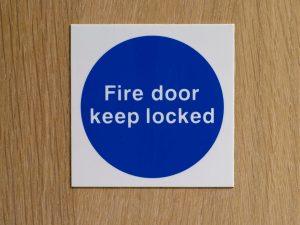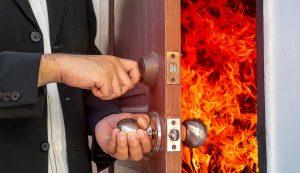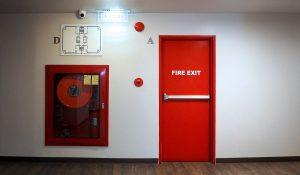
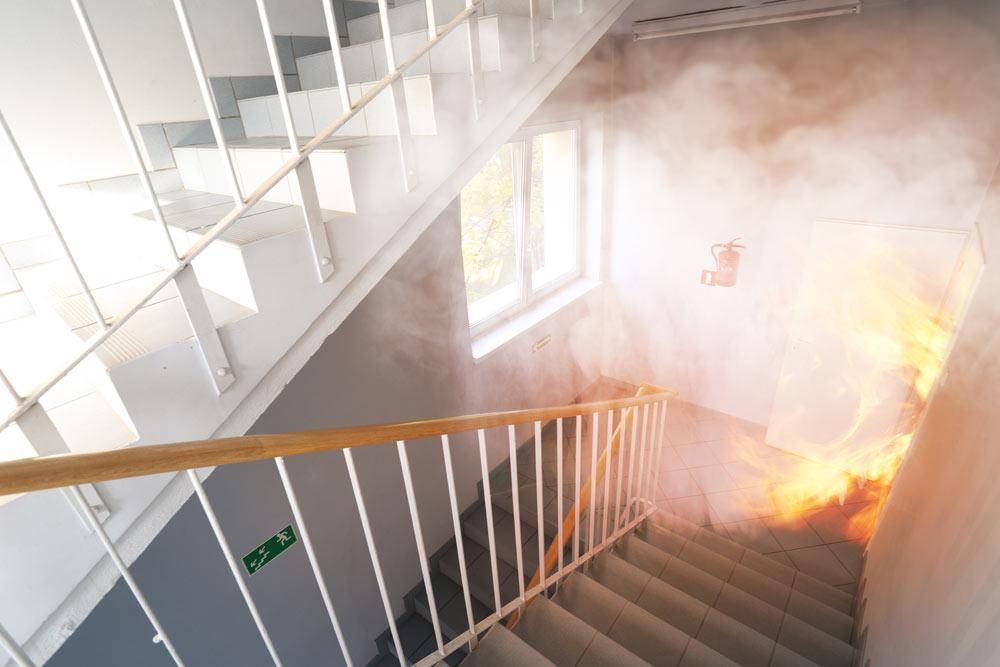

Passive Fire Protection (PFP) is the built-in part of a building’s fire strategy that contains fire and smoke at their point of origin for a set period (e.g. 30/60/90/120 minutes). Instead of detecting or spraying water like active systems, PFP uses fire-resisting construction—doors, walls, floors, seals and barriers—to hold back flames and hot gases, protecting escape routes and buying time for evacuation and firefighting.
How PFP works
Compartmentation: the building is divided into fire-resisting “boxes” so a fire stays in the room or zone where it starts.
Integrity & insulation: construction resists the passage of flames/hot gases and reduces heat transfer.
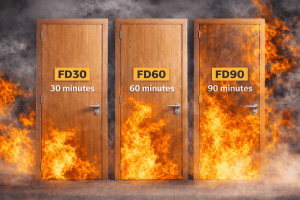
Fire-resistance ratings: elements are tested and classified to withstand fire for a minimum time—crucial for safe escape and property protection.
Typical components of PFP
Fire doors and frames with compatible hinges, closers, intumescent and smoke seals.
Compartment walls/floors that maintain fire separation, including protected shafts and risers.
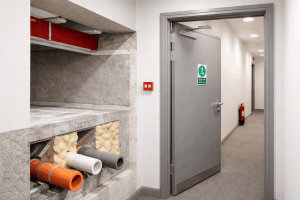
Cavity barriers & linear gap seals to stop hidden fire and smoke spread.
Penetration sealing (“fire stopping”) around pipes, cables and ducts to restore the fire rating of compartment lines.
Passive vs active fire protection—both matter
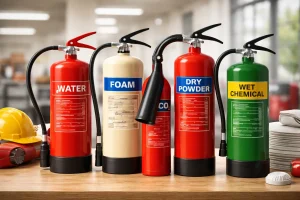
Active fire protection (e.g., alarms, sprinklers) detects or suppresses fire. Passive fire protection contains it. The two approaches work together: if PFP fails, fire and smoke can reach people and systems before active measures take effect; if AFP fails, robust PFP still protects escape routes and limits damage.
UK rules & guidance
Approved Document B (ADB) is the government’s statutory guidance for meeting Building Regulations on fire safety. It sets out how to achieve adequate means of escape, internal fire spread control (compartmentation), and more.
National classes (BS 476) are being withdrawn from ADB in favour of EN 13501 classifications. Reaction-to-fire and roof classifications moved to EN 13501 from 2 March 2025, and references to BS 476 for fire resistance will be withdrawn by 2 September 2029. If you’re specifying or managing works, check that evidence aligns with EN classifications.
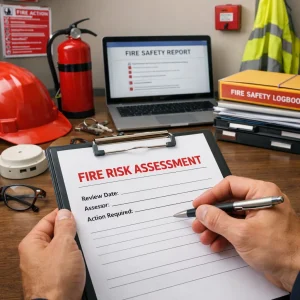
In occupied premises, the Regulatory Reform (Fire Safety) Order 2005 requires the “Responsible Person” to carry out a suitable and sufficient Fire Risk Assessment and maintain fire safety measures—PFP features included.
Compliance in practice
Protect compartment lines during works. Any new services through walls/floors must be sealed with tested systems, following the relevant classification and scope of application.
Use competent people with verifiable certification for fire doors and PFP works, and keep records of installations, inspections and maintenance.
The risks of poor PFP
Gaps around services, unprotected cavities, damaged or non-compliant fire doors and missing seals can allow rapid fire/smoke spread, reduce escape time and lead to enforcement action for non-compliance under the Fire Safety Order.
How Original Fire can help
We focus on passive fire protection and offer the following services:
Fire door installation — we install fully certified fire doors as a core part of your building’s passive fire protection strategy.
Fire door maintenance & remedial repair — our team restores and maintains doors so they perform as intended when it matters.
Fire compartmentation surveys — we assess separation lines (including roof spaces and voids) to identify vulnerabilities and recommend remedial actions.
Certification & qualifications — we hold recognised certification (including BM Trada for fire door installation and maintenance), giving you assurance on competence and traceability.

FAQs
Is passive fire protection legally required?
For new building work or alterations, follow Approved Document B to demonstrate compliance with Building Regulations. In occupied premises, the Fire Safety Order requires a suitable Fire Risk Assessment and maintenance of fire safety measures, including PFP.
Do I still need active systems if my PFP is strong?
Yes. They serve different roles: PFP contains, AFP detects/suppresses. Together they improve life safety and resilience.
What do the changes to BS 476 mean for me?
From 2 March 2025, reaction-to-fire and roof classifications in ADB use EN 13501 only; references to BS 476 fire resistance are withdrawn by 2 September 2029. Ensure testing and certification match EN classifications for new specs/remedials.
If you’d like help strengthening your passive fire protection, book a fire compartmentation survey or talk to us about fire door installation and maintenance. We’ll give you clear, practical next steps aligned with current UK guidance.