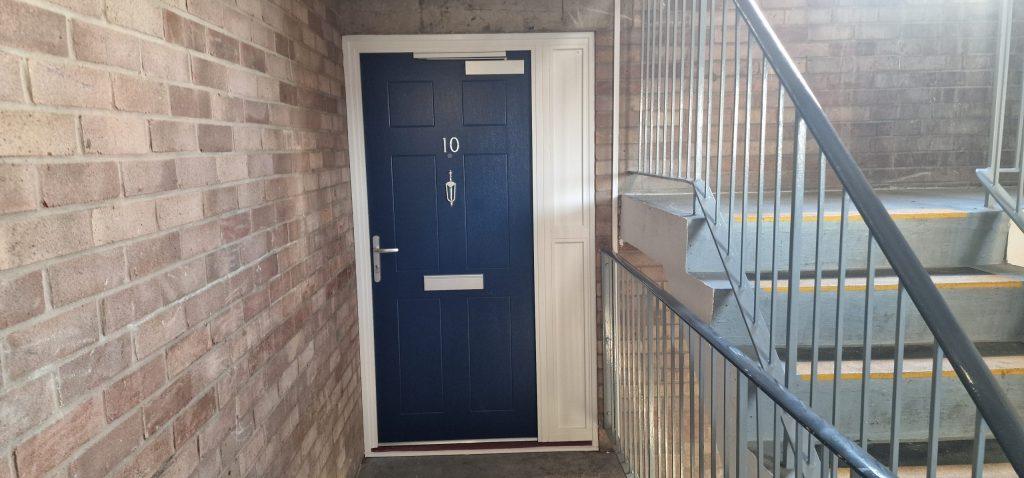
It’s surprisingly easy to overlook a fire door, especially in a busy building where people are constantly passing through.
Yet these doors play a quiet but essential role in slowing the spread of smoke and flames. When they start to deteriorate, the protection they offer can fall away far more quickly than most property owners realise.
A door that once performed well may gradually lose its ability to close tightly or hold back heat, putting residents or staff at greater risk.
Spotting the early indicators that a fire door is no longer up to standard is likely to save both stress and money.
Small issues have a habit of turning into larger faults if they’re ignored. I’ve seen situations where a minor alignment problem eventually led to a complete failure of the self-closing mechanism.
Addressing concerns before they escalate may help you stay compliant and avoid costly last-minute replacements.
Why fire doors matter
A properly fitted fire door helps contain smoke and fire long enough for people to escape and for firefighters to intervene. Without it, flames may move rapidly from one room or floor to the next.
The difference between a door that performs as intended and one that has worn out can be the difference between a manageable incident and a far more serious one.
It’s one of those safety measures that only becomes fully appreciated when something goes wrong.
There’s also the matter of legal responsibility. Landlords, building owners, and duty holders are expected to keep fire doors in good working order.
Regular checks and timely replacements aren’t just sensible—they’re part of staying legally compliant. A neglected door may appear harmless, but if it fails during an emergency, the consequences can go far beyond a repair bill.

Visible signs of damage
Cracks, splits, and other forms of visible damage often act as early warnings. These imperfections may seem minor at first glance, yet they may indicate internal weakening of the door’s structure.
Even slight warping can prevent the door from forming the tight seal it relies on. When the protective core starts to deteriorate, it becomes much harder for the door to resist intense heat.
Damage on the edges is especially concerning because it may expose the core materials directly. I’ve come across fire doors in older properties where years of wear had gradually stripped away protective layers.
Once the edge is compromised, the door may no longer meet its fire rating, making replacement a sensible step rather than a choice.
Problems with gaps and alignment
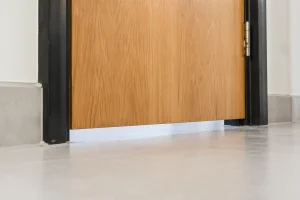
If a fire door no longer sits square in its frame, it’s unlikely to perform effectively. You may notice small gaps appear at the top, bottom, or along the hinge side.
These gaps may look insignificant, but even a few extra millimetres may allow dangerous amounts of smoke to escape. A misaligned door often hints at deeper issues, such as movement in the building or worn components.
Another common sign is the door dragging along the floor or refusing to close without extra force. Fire doors should close easily and securely under their own weight.
When they don’t, people sometimes wedge them open, which defeats the entire purpose. If the adjustment doesn’t resolve the issue, replacing the door is likely the safer option.
Issues with intumescent seals
The seals around a fire door are designed to expand when exposed to heat, filling gaps to block smoke and flames. When sections of these seals go missing, peel off, or appear damaged, the door may not activate properly in an emergency.
Painted-over seals are another frequent problem; a layer of paint may prevent them from expanding as designed.
Signs of dryness, shrinking, or brittleness may also indicate that the seals are nearing the end of their life.
These materials aren’t meant to last forever, and changes in temperature or humidity may speed up deterioration.
If the seals are unable to perform as intended, replacing them—or the entire door if necessary—may restore the level of protection your building relies on.
Hardware that no longer works as intended
A fire door depends on its components working together. If the self-closer hesitates, sticks, or fails to pull the door fully shut, that’s a major warning sign.
I’ve seen buildings where people grew so used to nudging the door shut manually that they forgot the closer was supposed to do that job on its own. Hardware fatigue is common and may undermine the door even if the panel itself still looks fine.
Loose hinges, stiff latches, or locks that don’t engage smoothly may all cause problems. These issues may seem like routine maintenance tasks, yet they may have a real impact on safety.
If the hardware has become unreliable or no longer meets current standards, the most effective fix may be to replace the door and its components together.
After a fire or significant building work
A door that has been exposed to fire, smoke, or very high heat may look intact, but internal damage is still likely. Smoke can seep into materials and weaken them over time.
Even if the door continues to function day to day, its fire resistance may have been reduced. Replacing it after such an event is usually the responsible choice.
Major building work can also create unexpected issues. Structural adjustments, new flooring, or shifting frames may alter how the door fits. A fire door that once