Choosing the correct fire door rating is not just about cost. It is about legal compliance, safety, and protecting lives. In the UK, most property owners and managers ask one key question:
FD30 vs FD60 fire doors – which is right for my building?
This guide explains fire door ratings in simple terms, compares FD30, FD60, and FD90 fire doors, and helps you choose the correct option based on UK fire door regulations and real-world building use.
Fire Door Ratings Explained (Simple Guide)
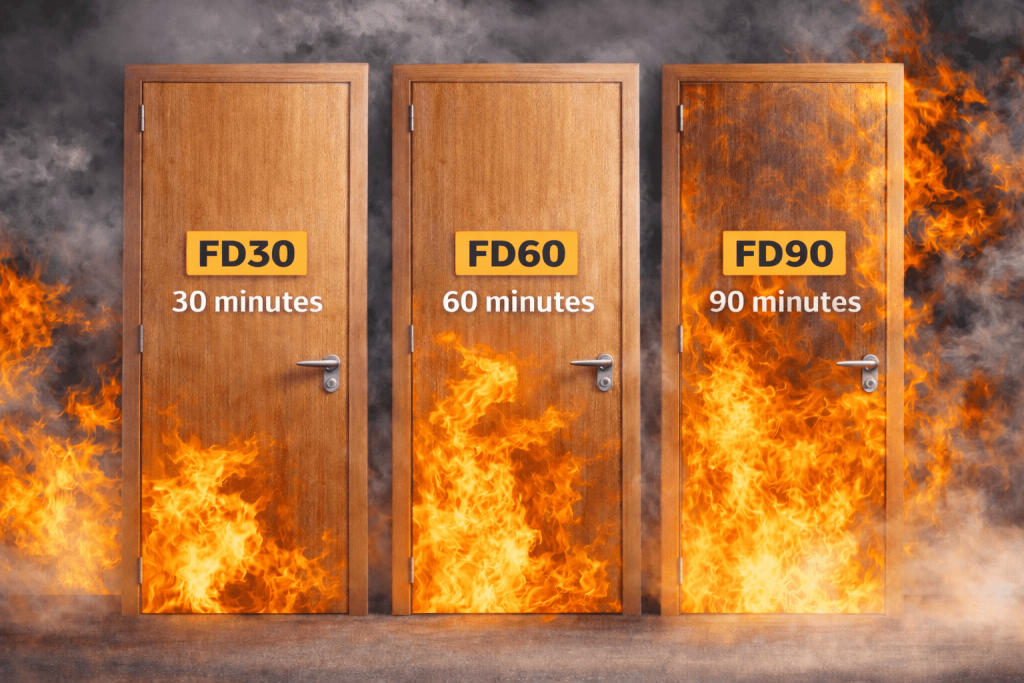
Fire door ratings show how long a door can resist fire and smoke before it fails. These ratings are tested under BS 476 fire door standards and referenced in Building Regulations Part B.
| Fire Door Rating | Fire Resistance Time |
| FD30 | 30 minutes |
| FD60 | 60 minutes |
| FD90 | 90 minutes |
A fire door is only effective when it is certified, correctly installed, and regularly maintained. Professional fire protection services help ensure full compliance, especially in regulated buildings. You can explore trusted specialists in this area via fire protection Essex services from Original Fire.
Book a professional fire door inspection to ensure your doors meet current regulations.
FD30 Fire Door Rating – What Does It Mean?
An FD30 fire door is designed to hold back fire and smoke for a minimum of 30 minutes. This rating is the most commonly used in residential buildings across the UK.
Where FD30 Fire Doors Are Typically Used
FD30 fire doors are ideal for:
- Flats and apartments
- Flat entrance doors
- Internal fire doors in houses
- Low-risk commercial spaces
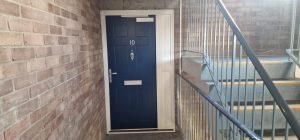
This is why fire doors for flats FD30 are often the minimum legal requirement. If you manage or own residential property, FD30 doors are usually essential for compliance under UK law.
If you are installing or upgrading FD30 doors, working with experienced installers is critical. Professional fire door installation in Essex ensures the doors perform correctly in an emergency.
FD60 Fire Door Requirements Explained
An FD60 fire door provides 60 minutes of fire resistance, offering double the protection of an FD30 door. These doors are required where evacuation may take longer or where fire risk is higher.
FD60 Doors for Offices and Commercial Buildings
FD60 fire doors are commonly specified for:
- Offices with high occupancy
- Schools and hospitals
- Larger apartment blocks
- Protected stairwells and corridors
FD60 fire door requirements include thicker door leaves, certified frames, intumescent strips, and fire-rated hardware. Installation must always match the tested door set to remain compliant.
Businesses in Essex and surrounding areas often combine FD60 installations with broader fire protection Colchester services to meet inspection and insurance standards.
FD90 Fire Doors UK – When Are They Needed?
FD90 fire doors offer 90 minutes of fire protection and are typically used in specialist or high-risk environments rather than standard residential or office buildings.
FD90 Fire Doors for Commercial and Industrial Use
FD90 fire doors are most commonly installed in:
- Industrial facilities
- Plant rooms and service risers
- Server rooms
- Areas storing flammable materials
These doors are usually specified following a detailed fire risk assessment and form part of a wider passive fire protection strategy delivered by professional fire protection services.
FD30 vs FD60 vs FD90 – Quick Comparison
| Feature | FD30 | FD60 | FD90 |
| Fire resistance | 30 minutes | 60 minutes | 90 minutes |
| Common use | Flats & homes | Offices & schools | Industrial sites |
| Cost | Lowest | Medium | Highest |
| Door thickness | Standard | Thicker | Heavy-duty |
Fire Door Regulations UK Ratings – What You Must Follow
UK fire door regulations are governed by:
- BS 476 fire door ratings
- Regulatory Reform (Fire Safety) Order
Key compliance points:
- Fire doors must be correctly rated (FD30, FD60, or FD90)
- Doors must be third-party certified
- Installation must match tested specifications
Property owners and landlords often rely on regional specialists, such as fire doors Colchester, to ensure doors meet certification standards and pass inspections.
Internal Fire Doors Rating Guide
Choosing the correct internal fire doors rating depends on risk level and location within the building.
Typical guidance includes:
- Bedrooms opening onto corridors → FD30
- Office corridors and stairwells → FD60
- High-risk rooms → FD60 or FD90
Buildings across Essex frequently combine internal fire doors with full-site assessments delivered through fire protection services to ensure every area meets legal requirements.
External Fire Doors: FD30 vs FD60
External fire doors must handle both fire resistance and weather exposure. Because of this, the correct rating is essential.
Common examples include:
- Flat entrance doors → FD30
- Commercial exit routes → FD60
- High-risk external rooms → FD90
In coastal or high-traffic areas, property owners often work with specialists providing fire doors in Southend-on-Sea to ensure durability and compliance.
Speak to a specialist before specifying external fire doors.
FD30 vs FD60 Price Comparison
| Fire Door Type | Typical UK Cost Range |
| FD30 | Avg. price £80 – £200 |
| FD60 | Avg. price £180 – £400 |
| FD90 | Avg. price £400+ |
While many buyers look for the cheapest FD30 fire doors, poor-quality products or incorrect installation can lead to failed inspections and costly replacements later.
Fire Door Ratings for Landlords and Businesses
Landlords, managing agents, and business owners are legally responsible for:
- Installing the correct fire door ratings
- Ensuring doors are maintained
- Carrying out regular inspections
Local support is available across Essex, including fire doors in Braintree, where certified professionals help landlords stay compliant and inspection-ready.
Final Answer: Which Fire Door Rating Do You Need?
- Choose FD30 fire doors for flats, homes, and low-risk buildings
- Choose FD60 fire doors for offices, schools, and larger premises
- Choose FD90 fire doors for industrial or high-risk environments
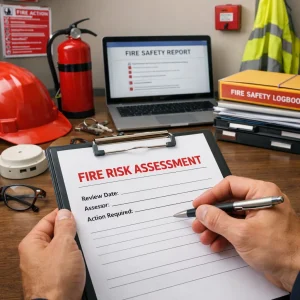
If you are unsure, a professional fire risk assessment will always determine the correct rating.
For expert advice, installation, and ongoing compliance support, start with trusted specialists in fire protection in Essex at Original Fire.