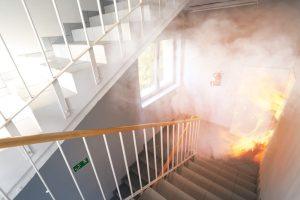
Fire doors are a crucial element of a building’s fire safety system, designed to slow the spread of fire and smoke. They protect occupants and give people time to evacuate safely.
Ensuring that fire doors remain compliant after installation is just as important as the installation itself, as even minor defects can compromise their effectiveness.
Regular checks not only maintain safety but also help building owners meet legal obligations.
Fire doors that are poorly maintained or incorrectly fitted can lead to regulatory breaches and may affect insurance coverage.
Understanding what to look for after installation is key to maintaining a safe environment.
Understanding Fire‑Door Compliance Standards
In the UK, fire‑doors must adhere to standards such as BS 476 and BS EN 1634, which define their performance under fire conditions.
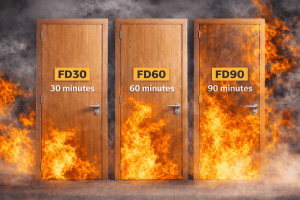
Each certified fire door should carry a label showing its fire resistance rating, typically ranging from 30 to 120 minutes, and confirming that it meets the required regulations.
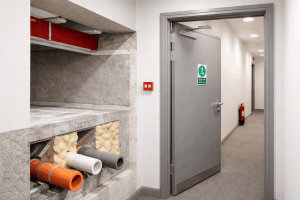
Compliance extends beyond the door leaf to the frame, hardware, seals, and installation quality.
Working with a professional installation company, such as Original Fire, can help ensure that all these requirements are met from the outset.
Certified installers understand the standards and can provide the necessary documentation to demonstrate compliance, reducing the risk of problems later on.
Visual Inspection Immediately After Installation
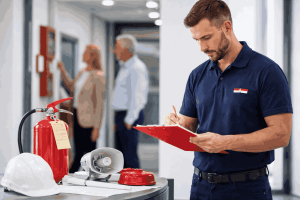
After installation, a thorough visual inspection is the first step to ensure compliance.
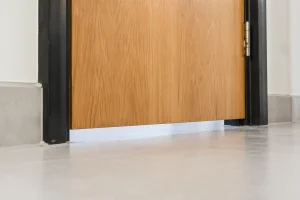
Look for damage to the door leaf or frame, gaps between the door and frame, and check that seals and intumescent strips are fitted continuously. Even small imperfections can reduce a door’s fire‑resistance performance.
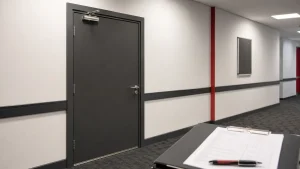
It is also essential to check that the door closes smoothly and latches correctly. Misalignment, warping, or obstruction can prevent the door from functioning as intended.
Conducting these checks immediately after installation helps identify issues early, making remedial action simpler and more effective.

Hardware and Fittings Check
Hardware components such as hinges, locks, handles, and door closers are as important as the door itself.
They must meet fire‑door standards and be fitted correctly to ensure proper operation. For instance, a poorly adjusted door closer can prevent the door from closing fully, compromising safety.
Door furniture must not interfere with seals or compromise fire resistance. Regular inspection of these components helps catch wear and tear before it becomes a hazard.
Certified professionals can provide guidance on maintaining and replacing hardware to maintain compliance.
Functional Testing
Functional testing is a critical part of post-installation checks. This includes testing self-closing mechanisms, ensuring smoke seals and intumescent strips are correctly fitted, and confirming that the door latches securely every time.
Although full fire testing is conducted in controlled laboratory conditions, these practical checks help ensure the door operates effectively in everyday use.
Carrying out these tests regularly gives building owners confidence that their fire doors will perform as intended in an emergency.
Any issues discovered should be addressed promptly by trained personnel to maintain compliance and safety.
Documentation and Record‑Keeping
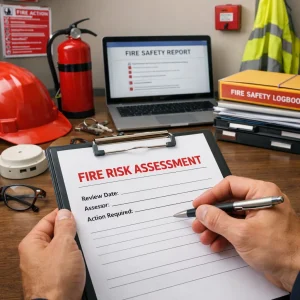
Proper record-keeping is an essential part of fire-door compliance. Maintaining installation certificates, inspection reports, and maintenance logs creates a clear audit trail for regulators, insurers, and internal quality control.
Accurate documentation demonstrates that the building owner is taking fire safety seriously.
These records also support ongoing maintenance planning. They allow inspection teams to track previous issues and repairs, ensuring that the fire door remains compliant over time.
Building managers should implement a structured approach to documentation to simplify audits and inspections.
Regular Maintenance and Ongoing Checks
Fire doors are not “fit and forget” installations. Regular inspections, including visual checks every six months and detailed annual inspections, help identify signs of wear, damage, or misalignment.
Attention to these details ensures the door continues to meet fire safety standards.
If any problems are identified, it is important to engage certified professionals for remedial work.
Regular maintenance not only prolongs the lifespan of the door but also ensures the safety of building occupants and compliance with regulatory requirements.
Conclusion
Post-installation checks are critical for maintaining fire-door performance and protecting lives.
By conducting visual inspections, hardware checks, functional testing, and maintaining proper documentation, building owners can ensure ongoing compliance with fire safety regulations.
Engaging professional installers and maintenance teams provides additional assurance that fire doors are correctly fitted and properly maintained.
Consistent monitoring and maintenance help create a safer environment while reducing the risk of regulatory breaches or safety failures.